
Reports
TOGETHER | ENSEMBLE 2026 Conference: Key insights for practice
The Together | Ensemble 2026 conference served as Canada’s premier national platform for tracking, collaborating on, and accelerating progress toward the United Nations Sustainable Development Goals (SDGs). This year’s theme, Mobilizing local action for global impact, intentionally shifted the dialogue from high-level, aspirational policy to practical, community-rooted execution.

Mapping northern readiness: An environmental scan of attraction, integration, and retention systems in northern Alberta and the Northwest Territories.
This report is part of the Tailored Attraction, Integration, and Retention Strategies for Northern Ecosystems (TAIGA RISE) project, a three-year initiative that launched in April 2025. Funded by Immigration, Refugees and Citizenship Canada (IRCC) through the Service Delivery Improvement (SDI) program, the project's goal is to co-create tailored, community-centric strategies to strengthen the attraction, integration, and retention of newcomers in Northern Alberta and the Northwest Territories. This environmental scan contributes to that goal by building a comprehensive baseline of online data and digital resources. It systematically identifies, reviews, and catalogs a wide range of stakeholders and service providers in both regions, using a culturally responsive, settlement-focused, and inclusion-oriented lens. The focus is on small population centres (1,000-29,999 residents) and medium population centres (30,000–99,999 residents), as defined by Statistics Canada's 2021 Census (Statistics Canada, 2022). It further explores the preparedness of these communities for attracting, integrating, and retaining newcomers, three strategic pillars of the project that will be explaind in details.
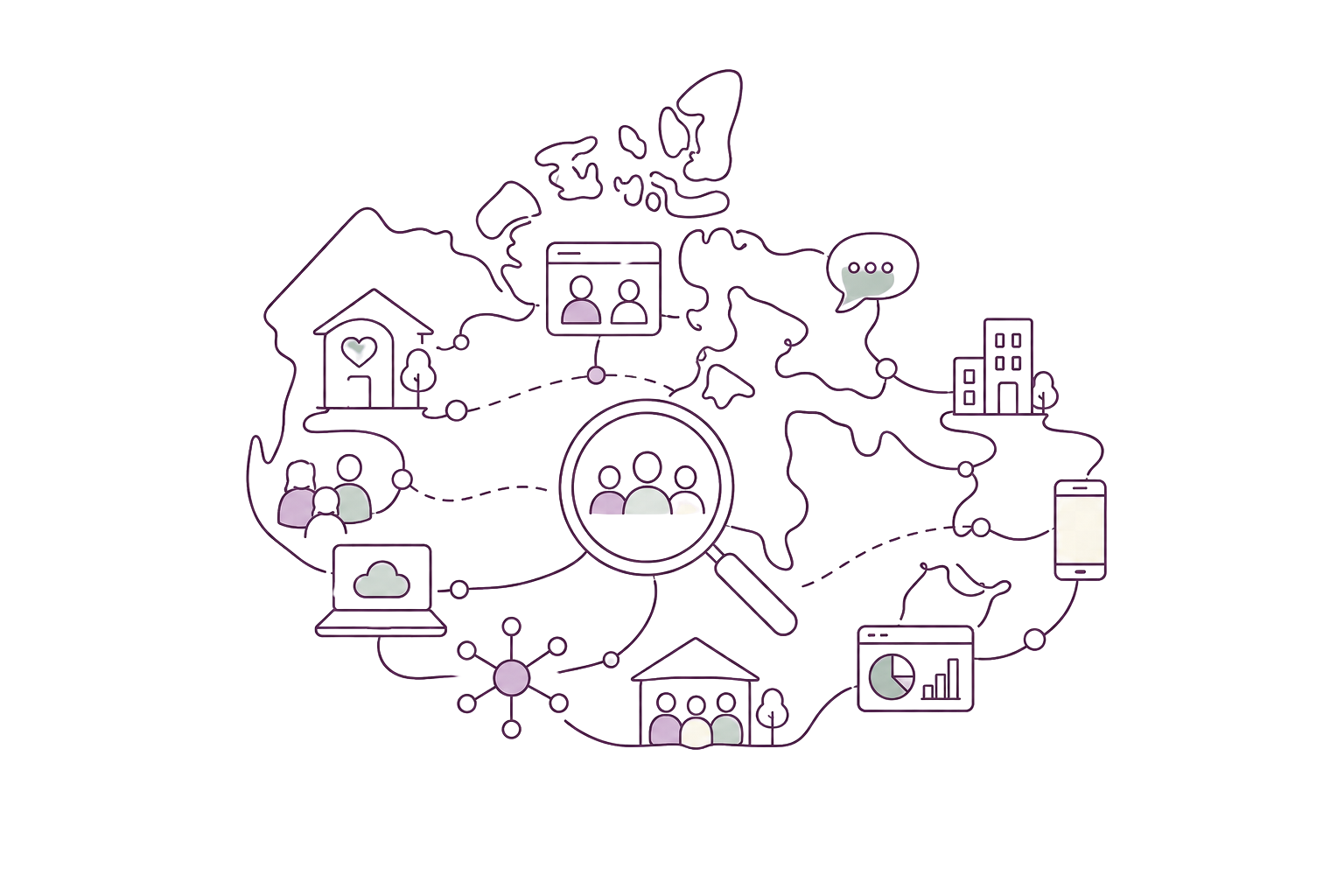
Mapping the use of emerging digital tools by service provider organization (SPOs) in Canada: Environmental scan report.
This report is a part of a three-year project (2025-2028), SettleSMART: Supporting Message and Assistance Resource Technology. The goal of SettleSMART is to develop an Al-powered Chatbot and Group Chat platform to help newcomers access timely and reliable settlement information, enhance service delivery, and support innovation and equity in the process of settlement integration of newcomers to Canada. As part of this work, this report presents an environmental scan of 362 Service Provider Organizations (SPOs) across major Census Metropolitan Areas and key urban centres in Canada, examining the adoption of emerging digital tools, including artificial intelligence (Al), chatbots, and group messaging platforms.
28th Metropolis Canada Conference: Key insights for practice
The 28th Annual National Metropolis Canada Conference brought together settlement practitioners, policymakers, government officials, and researchers, from across Canada to exchange knowledge and discuss emerging challenges in immigration policy and newcomer integration. The conference was held from March 11–13, 2026, at the Halifax Convention Centre in Nova Scotia and focused on the theme “Changing Course? Establishing Consensus on Canada’s Immigration Future.”

Voices in the Art: Exploring intersecting identities and experiences of gender-based violence amongst newcomer 2SLGBTQIA+ youth.
VIA is an arts-based research project that explores the social lives, cultural practices, intersecting identities, and experiences of gender-based violence among newcomer 2SLGBTQIA+ youth. In this project, participants create visual journals using media such as drawing, painting, or photography to reflect on their identity, family relationships, and how they navigate gender identity and related experiences.
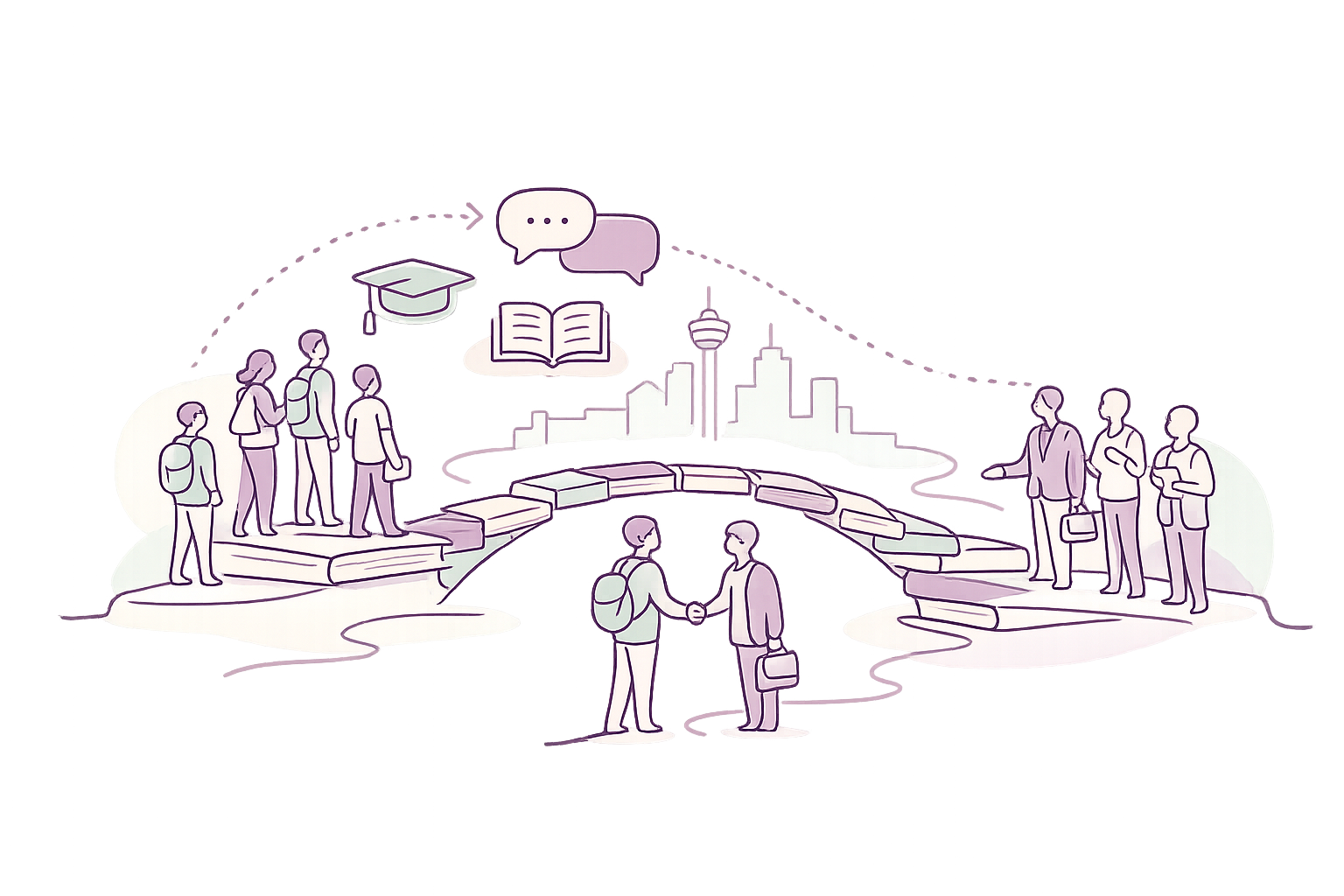
CLOSING THE GAP: Stakeholders and Newcomer Youth’s Perspectives on Education in Calgary, Alberta
This community-based report explores newcomer youths’ educational experiences in Calgary, examining systemic barriers, emotional and cultural challenges, and the role of community-based supports in fostering inclusion and belonging.
%20Final%20report.png)
Remote and Online Services for Professional Immigrants (ROSPI): Final report.
This final report from the Remote and Online Services for Professional Immigrants (ROSPI) project examines how technology can improve access to settlement services for skilled newcomers. In response to Canada’s rising intake of Federal High Skilled immigrants, ROSPI explores the barriers professionals face and how digital tools can help meet their specific information and service needs.
%20study%20summary%20Final%20report.png)
Hybrid Education Literacy Learning Optimization (HELLO) study summary: Final report.
This report, part of the Hybrid Education for Literacy Learners Optimization (HELLO) project, explores the critical role of language training in newcomer integration, especially for adult refugees with disrupted education. Triggered by challenges faced during the shift to online LINC instruction during COVID-19, the project used participatory action research to co-develop a hybrid literacy toolkit, addressing low digital literacy and the need for interactive learning environments.

Evaluation of users’ satisfaction and feedback on The Seeker: Immigrant professionals’ knowledge and empowerment hub.
This impact assessment evaluates the HELLO toolkit’s influence on LINC literacy learners’ digital literacy, computer confidence, and experiences with hybrid language learning environments.


